About
Hello and welcome!
My name is Peter Alagona and I’m a professor of Environmental Studies at the University of California, Santa Barbara. I’m an environmental historian, conservation scientist, nature-culture geographer, and author of creative non-fiction. My work explores what happens when humans share space and resources (their habitats) with other species: how we interact with non-human creatures, how we make sense of our relations with them, why we fight so much about them, what we can learn from them, and how we might use these lessons to foster a more just, peaceful, humane, and sustainable future.
Most of my research has focused on human interactions with wildlife in North America. A second area of study involves developing creative interdisciplinary, collaborative, and mixed methods for studying ecological change over multiple time periods and scales. I am also deeply interested in the relationships between history and science, and in the roles of science and technology in shaping how we see the past.
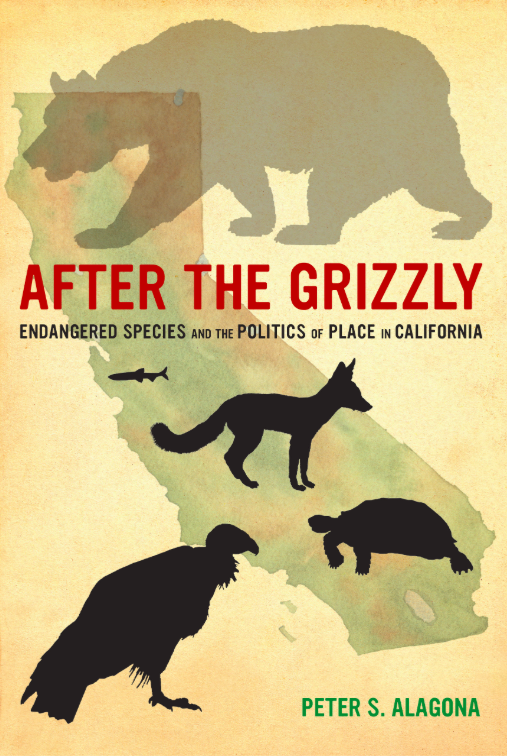
During the first phase of my career, I focused on the history of endangered species conservation. After completing my first book, After the Grizzly, in 2013, I began studying human interactions with more common species, as well as the challenges of recovering lost species, and living with large wildlife in human-dominated landscapes.
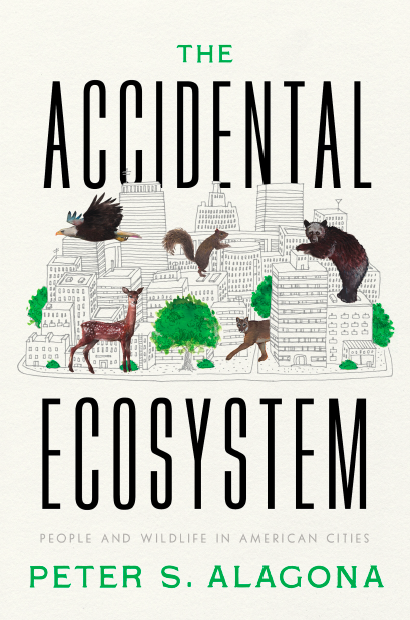
In 2022, I published my second book, The Accidental Ecosystem, which describes how and why, beginning around 1970, American cities attracted unprecedented numbers of wild animals even as many wildlife species struggled in more natural habitats.
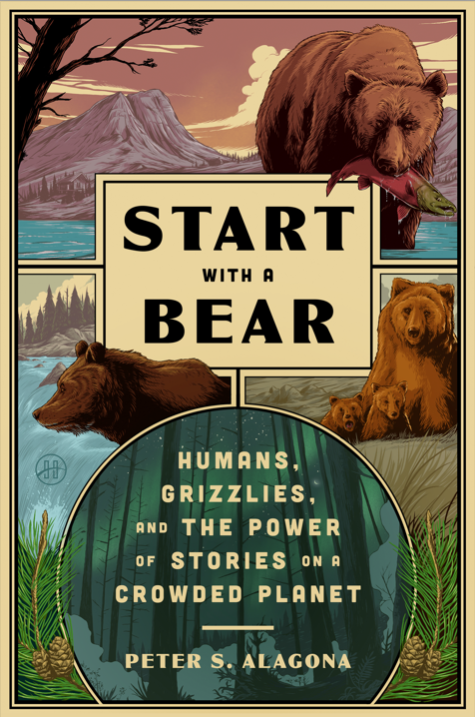
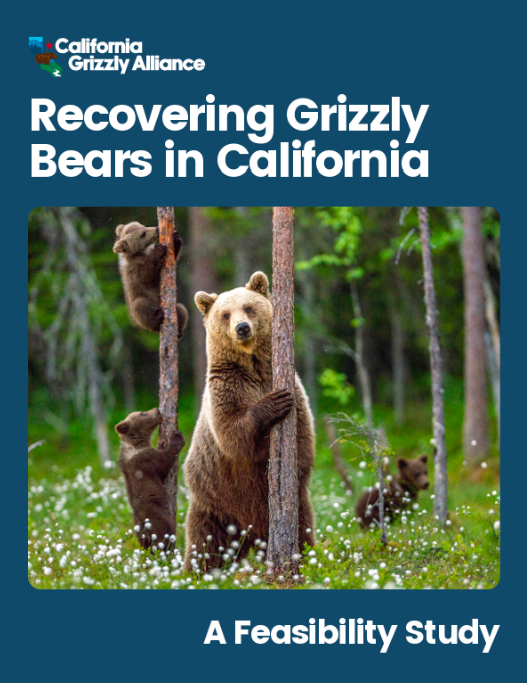
In 2016, I founded the California Grizzly Research Network, which in the years since, has conducted a series of projects designed to promote a more informed scholarly and public conversation about the past and potential future of grizzly bears in California. This work culminated in 2025 with the publication of the first preliminary Feasibility Study exploring what it would take to recover California’s missing mascot. My third book, Start With A Bear, which draws from my grizzly work to highlight the importance of stories in humans’ relations with bears and other animals, will be published by HarperCollins in November 2026.
At UCSB, I teach Introduction to Environmental Studies (ENVS 1), Wildlife in America (ENVS 108W), and an honors seminar on Creative Nonfiction Writing (ENVS 1H). In winter 2027, I plan to teach a new undergraduate course on Environmental History.
In addition to my research and teaching, I am active in public service and other professional activities. I regularly appear on the radio, in popular print media, on podcasts, and I give frequent public lectures. I have served on editorial boards for the University of California and MIT presses, on the executive committee for the American Society for Environmental History, and for more than a dozen years, as a faculty advisor for UCSB’s Valentine Eastern Sierra Reserves in Mammoth Lakes.
Throughout my career, I have been fortunate to work with wonderful mentors, colleagues, and students at institutions that value interdisciplinary and humanistic environmental scholarship. After graduating from Northwestern University in 1995, I received a master's degree in geography from UC Santa Barbara, and then master's and doctoral degrees in history from UCLA. Before joining the UCSB faculty in 2008, I was a Beagle Environmental Fellow in the Center for the Environment and Kennedy School of Government at Harvard and a postdoctoral fellow in the Bill Lane Center for the American West at Stanford.
WHEN I'M NOT WORKING, I spend my time outdoors. I’m a whitewater enthusiast, rock climber, and a (slow but dedicated) marathon runner. My greatest outdoor passion is mountaineering. Over the past three decades, I have been incredibly fortunate to climb mountains in Mexico, Indonesia, Europe, Alaska, and throughout the American West, including in Colorado, Wyoming, New Mexico, and Washington. I have a special place in my heart for California’s High Sierra, where I’ve climbed dozens of peaks, camped by hundreds of alpine lakes, hiked thousands of miles of trails, and been bitten by millions of mosquitoes.